

This article is authored by Dr. Sanjay Gupta, who is working as Associate Director at Institute of Orthopaedics & Spine at Jaypee Hospital, Noida. Dr. Gupta completed MS (Orthopaedics) with a gold medal from S.N Medical College, Agra and MCh (Orthopaedics & Joint Replacement) from University of Liverpool, UK.
Dr. Gupta has special interests in knee arthroplasty, complex primary and revision TKR, arthroscopic ligament reconstruction and sports medicine. He has performed over 5000 knee replacement surgeries in his 15 years of surgical career. In addition to conventional knee replacement, he is an expert in performing partial knee replacement and minimally invasive knee replacement.
10 Practices to Avoid Joint Pain – for adults and elderly
The bones in our body are connected and moved by the joints.A joint is formed when two bones meet and are supported with ligaments. They allow us to be flexible, support our body weight and facilitate movement.Joints contain hyaluronic acid and synovial fluid – lubricants which allow the bones to move without friction. As joints endure a lot of stress due to constant movement, they become susceptible to wear and tear. The bones become weaker due to age and people usually face joint problem.
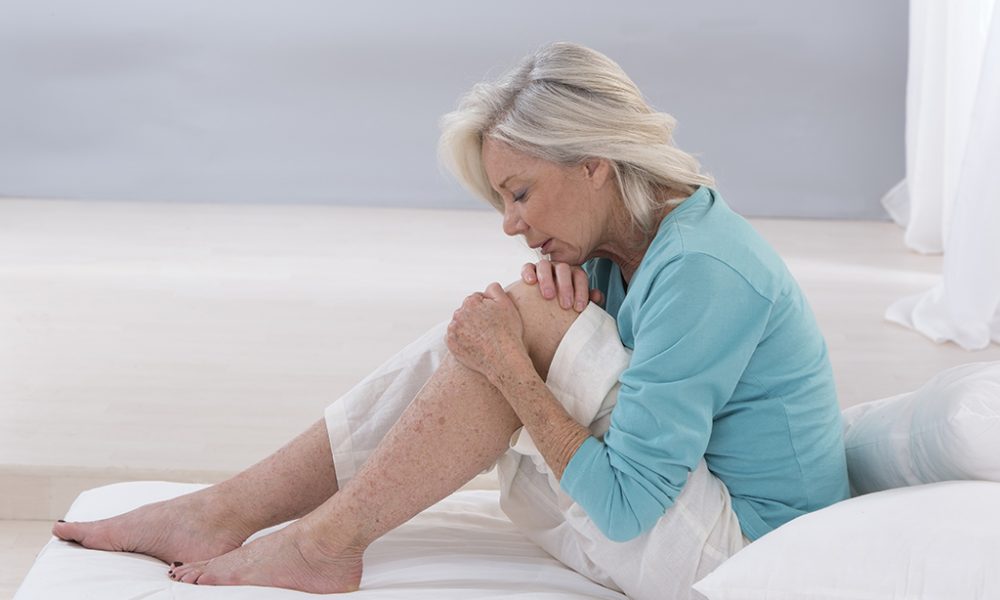
However, due to inactive routine or labour intensive jobs or due to strenuous exercise, adults also face joint pain and disorders. Joint pain is majorly experienced in the knees, shoulder, elbow, wrists or back. Injuries like fractures exert strain on the joints and can also cause joint pain. Incorporating certain lifestyle changes and following a systematic therapy routine will help ease joint pain.
- Nutrition check
For joint health the pH balance has to be maintained in the body. Acidic foods or chronic acidity causes the lubricant in the joints to gradually dry up. The friction while movement causes strain on the joints. Processed foods and saturated fats are equally harming. Alkaline foods increase energy and reduce inflammation. Opt for foods like papaya, apples, whole grains, milk, walnut, pumpkin seeds etc. Foods rich in omega-3 fatty acids are good for bones. - Maintain good posture
The vertebrae disc needs special attention even while we are siting or sleeping. A poor posture will cause muscle stiffness and improper blood flow to the bones. If your desk job involves siting for longer hours, ensure that you maintain a 90-110 degree thigh bent with thighs completely supported by the chair, relax shoulders, feet are flat on the floor, the chair backrest should support your lower back and the top of your computer screen is at eye level. - Get therapy
If you are suffering from joint pain, physical therapy will help ease the discomfort. The therapists follow a synchronized plan of joint and muscle movement along with heat packs to release the tension. - Control weight
Reducing weight will lower the strain on the bones and joints. With less strain the wear and tear of the joints will be reduced.Maintaining healthy weight lowers the risk of lifestyle disorders. - Right footwear
Our feet tolerate the entire body weight. Irrespective of the activity, it is important our feet get adequate support. A correct footwear should offer cushioning, support, stabilityand comfort to the feet, ankles and calf muscles. Many times our posture while walking and gait depends on the type of footwear. - Take adequate rest
Your joints will heal if you keep them still. In case of joint pain even doctor will suggest very low intensity stretching and adequate rest - Increase flexibility
Stretching keeps our joints fit. It maintains the range of motion and strengthens the muscles. Take breaks from your workstation to stretch. Follow a routine of stretching exercises. Stiff joints are prone to inflammation. We have to improve our threshold of joint movement and keep them flexible. - Cold & warm therapy
Putting an ice-pack on the area of pain will reduce swelling as the blood flow slows down due to low temperature. This is done when the swelling and pain are acute. Alternatively you can use the warm therapy as part of you daily routine. Warm water bath or a dip in tub of warm water will ease the muscles. The blood circulation will improve leaving a relaxing effect. - Seek medication
If you do not find relief even after rest and home remedies, it is best to see a specialist. An orthopedic will be in a correct position to judge the cause and remedy for the pain. - Supplement support
Joint pain can also arise due to deficiencies of certain vitamins or minerals. Vitamin D and calcium deficiency weakens the bones. If you work out regularly, ensure that you get enough calcium and protein from your diet. It is best to get these checked and opt for prescribed supplements.
Joint concerns have a long-term impact. It is vital to curb the pain or any disorder at the initial stage. Our body always gives us indications if there is some ailment growing inside. Know when to stop.


No comments