

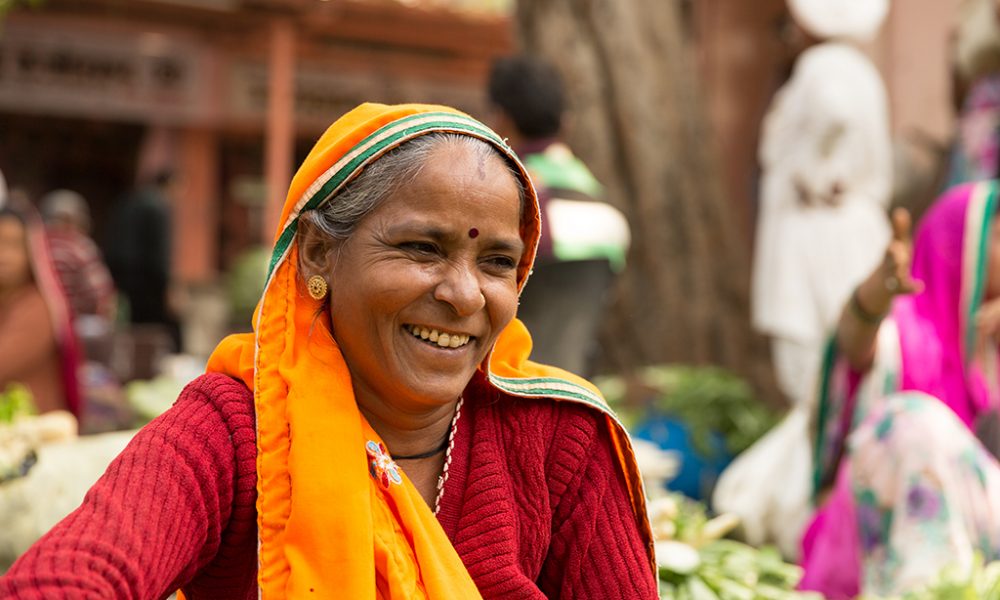
The status of women in India has been subjected to many great changes over the past few decades. Blaming it on the continued changing lifestyle or the vulnerability of the health issues because of the lesser body resistance; women’s health concern is a big highlight in India today.
It is generally expected that a woman can live longer than men it does not necessarily ensure a better quality of life. Every day, approximately 1000 women die due to complications of pregnancy and childbirth – nearly all of these deaths are preventable. Does the Indian healthcare system treat the women of the country in a fair and just manner? And what can we do to make sure that it can first recognize the needs, and then develop sustainable programs to remove barriers towards the achievement of optimal health for Indian women?
Let’s have a look at the common health errors women’s are dealing with worldwide:
a) Gender bias (particularly in remote areas).
India is one of the worst countries in terms of gender equality. Gender is one of the main social determinants of health which include social, economic, and political factors—that play a major role in the health outcomes of women in India and access to healthcare in India. Therefore, the high level of gender inequality in India negatively impacts the health of women.
b) Breast Cancer
It is one of the latest epidemic pit women’s are continuously falling into. Much of the westernization, lower levels of physical strength, unwillingness to accept reality, lack of patience, uneven diets, greater concerns of urban sectors and low childbearing and feeding has raised this issue to the limelight. India also has a shortage of trained doctors and cancer specialists further rupturing the health care system in India.
c) Reproductive Health
The lack of maternal health contributes to future economic disparities for mothers and their children. Poor maternal fertility. India has a high maternal mortality ratio. Very few women receive prenatal care. India legalized abortion in the1970s but in reality, very few centres provide necessary services for an abortion which declines their health continually.
Common reproductive health concerns for women
- HIV/AIDS.
- Polycystic Ovary Syndrome (PCOS)
- Sexually Transmitted Diseases (STDs)
- Sexual Violence.
All these issues imbalances the lives of women. The number of infections is rising in many locations in India; the rise can be attributed to cultural norms, lack of education, and lack of access to contraceptives such as condoms. The government public health system does not provide adequate measures such as free HIV testing, only further worsening the problem.
d) Malnutrition
Malnutrition, due to deficiencies of calories, protein, vitamins, and minerals and other poor health and social status, affects millions of women and adolescent girls around the world. Nutrition, this is an essential component to sustain the health of any individual, especially for women. Baby born to malnourished women faces multiple complications, including cognitive impairments, short stature, lower resistance to infections, and a higher risk of disease and death throughout their lives.
Hence, Good health is a key criterion, which contributes to human well-being and economic growth. The government should take necessary steps such as frequent counselling on safe sex and awareness programs. The Government should also focus on the present condition of the women and accordingly take steps to reduce further violence against women.


No comments